

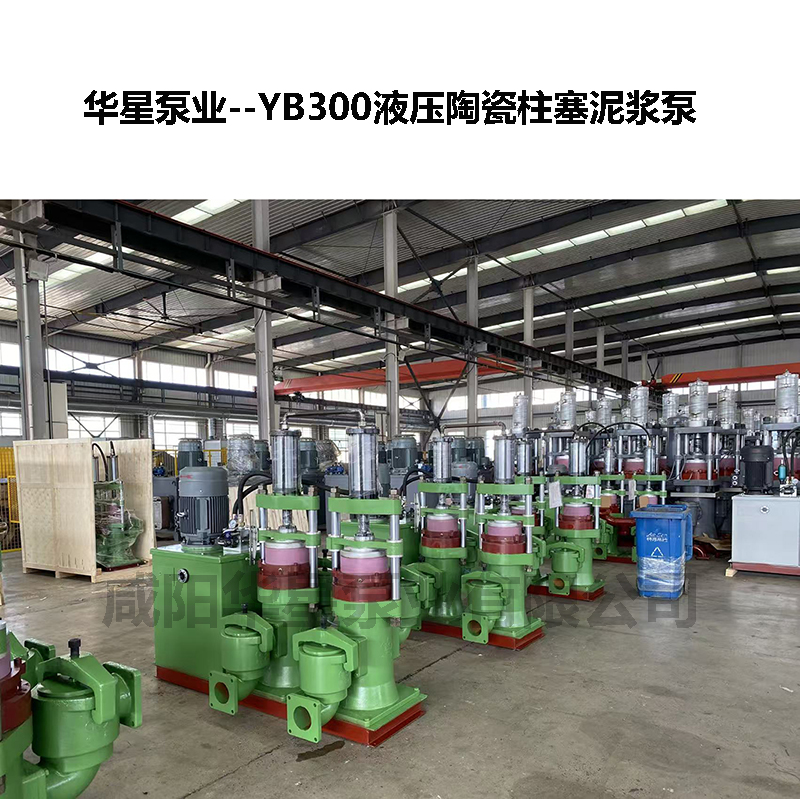
Electroplating plant hydraulic ceramic plunger pump
The hydraulic ceramic plunger pump in electroplating plants is a device used to transport liquids in electroplating processes. It uses ceramic plungers as key components and has many characteristics suitable for electroplating conditions. Here is an introduction about it:
working principle
The hydraulic ceramic plunger pump relies on the reciprocating motion of the ceramic plunger in the cylinder body to achieve suction and discharge. When the plunger moves upward, negative pressure is formed inside the pump cylinder, the suction valve opens, and the liquid is sucked into the pump cylinder; When the plunger moves downwards, the pressure inside the pump cylinder increases, the suction valve closes, the discharge valve opens, and the liquid is forcibly discharged. Through the continuous reciprocating motion of the plunger, continuous liquid delivery is achieved.
structural characteristics
Ceramic plunger: Made of high-performance ceramic materials such as alumina ceramics, it has high hardness, wear resistance, corrosion resistance, and chemical stability, and can maintain good working performance in corrosive media such as electroplating solutions, extending the service life of the pump.
Sealing device: High performance rubber or polytetrafluoroethylene materials are usually used as sealing components to ensure the sealing of the pump under high pressure and prevent leakage of plating solution.
Hydraulic end: including pump cylinder, suction valve, discharge valve and other components, its flow channel has been optimized to reduce liquid flow resistance, improve pump efficiency and stability.
performance advantage
Strong corrosion resistance: The corrosion resistance of ceramic plungers enables them to adapt well to electroplating solutions containing corrosive substances such as strong acids and alkalis in electroplating plants, without the need for additional anti-corrosion measures, reducing equipment maintenance costs.
High precision flow control: By precisely controlling the stroke and motion frequency of the plunger, precise adjustment of liquid flow can be achieved, meeting the requirements for accuracy of plating solution flow in electroplating processes.
High pressure conveying: It can generate high output pressure and meet some process requirements that require high-pressure conveying in the electroplating process, such as high-pressure electroplating, plating solution circulation, etc.
Good wear resistance: Ceramic plungers have high hardness and excellent wear resistance. When transporting electroplating solutions containing small amounts of particle impurities, they have minimal wear and a long service life.
Application scenarios
Electroplating solution transportation: used to transport electroplating solution from the storage tank to the electroplating tank, ensuring a continuous supply of electroplating solution.
Plating solution circulation filtration: In the plating solution circulation filtration system, the plating solution is extracted from the plating tank, transported to the filtration equipment for filtration, and then the filtered clean plating solution is sent back to the plating tank to maintain the cleanliness of the plating solution.
Anodizing: In the anodizing process, it is used to transport the oxidizing solution and provide stable liquid pressure and flow rate for the anodizing process.